As environmental crises and the urgency to create ecological sustainability escalate, so does the importance of ecological economics. This applied, solutions-based field of studies is concerned with sustainability and development, rather than efficiency and growth. Also, given that cities account for 70-80% of global economic activity and associated resource use, emissions and waste, they are central to finding solutions to the challenge of sustainability.
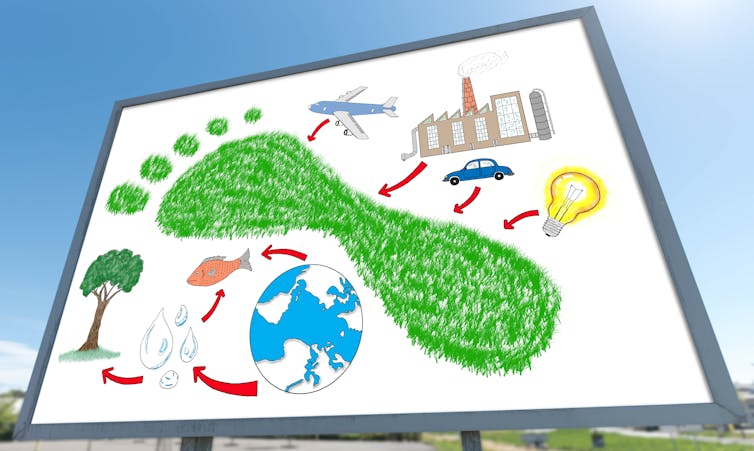
Ecological economics recognises local to global environmental limits. It ranges from research for short-term policy and local challenges through to long-term visions of sustainable societies. Ecological economists also consider global issues such as carbon emissions, deforestation, overfishing and species extinctions.
Core concepts
You’re probably familiar with some core concepts of ecological economics. These include “steady-state economies”, “carrying capacity”, “ecological footprints” and “environmental justice”.
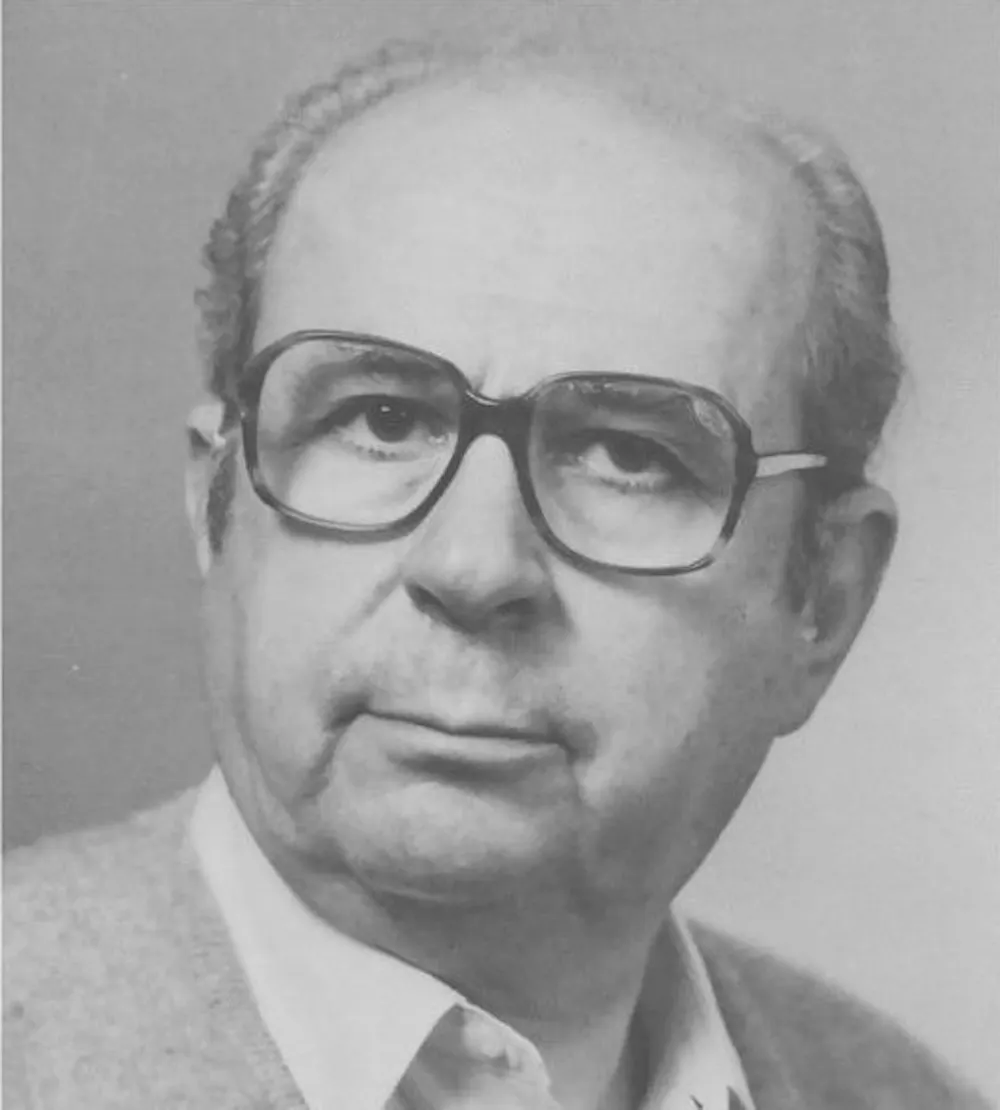
A steady-state economy is both relatively stable and respects ecological limits. Drawing on the work of mathematician and economist Nicholas Georgescu-Roegen, economist Herman Daly elaborated the model, editing a 1973 anthology, Toward a Steady-State Economy.
In 1990, Daly co-founded the International Society of Ecological Economics (ISEE). It had three key principles:
- the human economy is embedded in nature, and economic processes are actually biological, physical and chemical processes and transformations
- ecological economics is a meeting place for researchers committed to environmental issues
- ecological economics requires transdisciplinary work to describe economic processes in relation to physical reality.
Joshua Farley, who has worked with Daly, discusses some of these principles in an opening address to the Australia New Zealand Society of Ecological Economics (ANZSEE) conference at RMIT University later this month.
In a partnership program of several North American universities, Farley teaches Economics for the Anthropocene postgraduates. They apply ecological economics to “real-world environmental solutions”. Some will talk at the conference about their research.
Today overconsumption is measured against Earth’s carrying capacity.
William Rees and Mathis Wackernagel developed the related concept of the ecological footprint. It’s an indicator of the ecological impacts of everyday activities and practices.
Ecological footprints are useful ways for industries, governments and people to assess which practices we need to reduce to keep within the limits of Earth’s regenerative capacity.
ISEE co-founder Joan Martinez-Alier established the global Environmental Justice Atlas. Activists and scholars developed this online database of around 3,000 environmental justice conflicts. It provides open access to many and various ecological and economic value assessments.
Issues of environmental justice in Australia include:
- fatalities from asbestos-related diseases
- health and climate impacts of coal mining and natural gas fracking
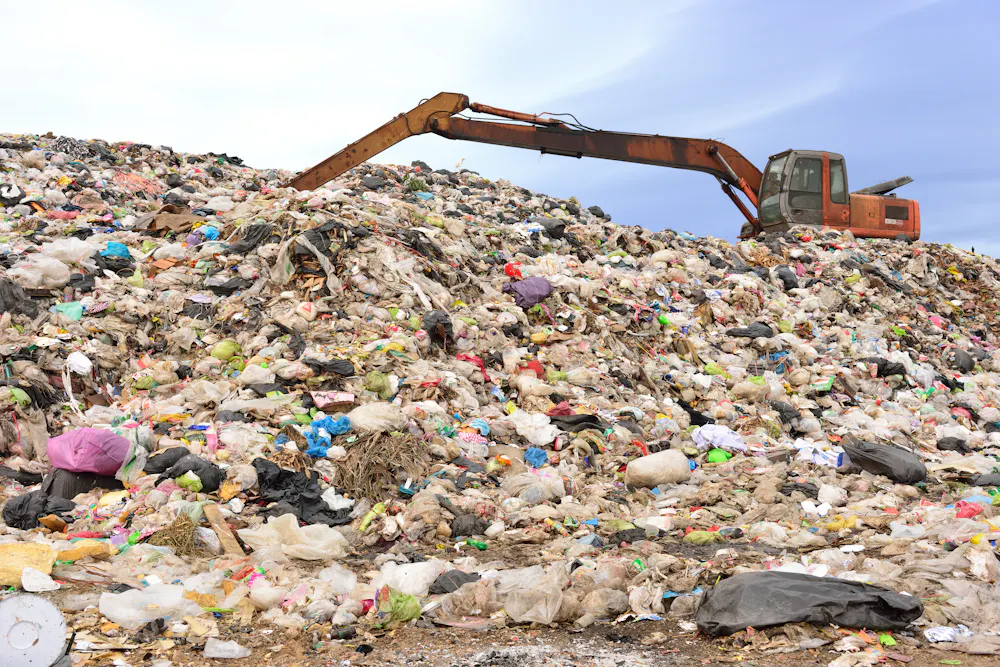
- ineffective waste systems and landfills
- clear-felling of Australian forests, and timber imports from Asia-Pacific deforestation.
A new kind of economics
Ecological economics partly developed from frustration with the narrowness of environmental and resource economics. These approaches apply mainstream economics to the environment. In doing so, they fail to incorporate critical environmental concerns that arise with inputs, outputs and waste.
In addition, ecological economists have a broader view about what “progress” is and how to measure it. Ecological economists are more sceptical about how much human-made capital improves on the benefits we get from nature. Critically, they ask: “How useful is it to put a monetary value on nature?”
Ecological economist Clive Hamilton discusses that question in the case of Coronation Hill in Kakadu National Park. He argues that market-based assessments such as “willingness to pay” favour market-based solutions. Similarly, Brian Coffey highlights the conundrum of monetising ecological values:
I would rather ask “why is nature important?” and “how can we live with, and within, it?”
Despite this, certain ecological economists use monetary data to make powerful ecological statements. For instance, Ida Kubiszewski and her co-authors surveyed land uses under different future scenarios. They concluded that continuing business as usual could wipe out a third of the value of Asia-Pacific ecosystems by 2050.
Solutions for sustainable and just futures
In short, ecological economics has contributors from diverse disciplinary and professional backgrounds.
Presenters to the ANZSEE conference of course include ecologists and economists. But there are also social and physical scientists, sociologists, philosophers, historians, planners and sustainability experts.
Sustainability expert Samuel Alexander speaks about living well with degrowth. Others argue that a climate-safe world requires radical forms of economics.
Contributors will also talk about just transitions, commoning, the genuine progress indicator (GPI), School Strike for Climate (SS4C), resilience, decarbonisation and ethical investment. Keynote speaker Jon Altman presents a model of hybrid economies that’s useful in the context of Indigenous peoples.
Anitra Nelson, Associate Professor, Centre for Urban Research, RMIT University and Brian Coffey, Vice-Chancellor’s Research Fellow, Centre for Urban Research, RMIT University, RMIT University
This article is republished from The Conversation under a Creative Commons license. Read the original article.