With the outbreak of COVID-19, many businesses had to adapt to the changes put in place by the government like a shelter in place orders, social distancing, and quarantine. Some businesses even had to temporarily shut down to mitigate the spread of the virus. As you slowly prepare to reopen your business after weeks or months of closure due to the pandemic, providing a safe environment for your employees and customers is your top priority.
While limiting capacity, encouraging frequent hand washing and mask wearing, and enhancing cleaning procedures can help keep the workplace safe, there is another step employers can take to prevent an outbreak of Covid-19 in their office. Onsite company COVID testing in Austin and other US cities brings employee tests directly to the workplace. Ongoing tests help catch an active case of the virus before it has the chance to spread.
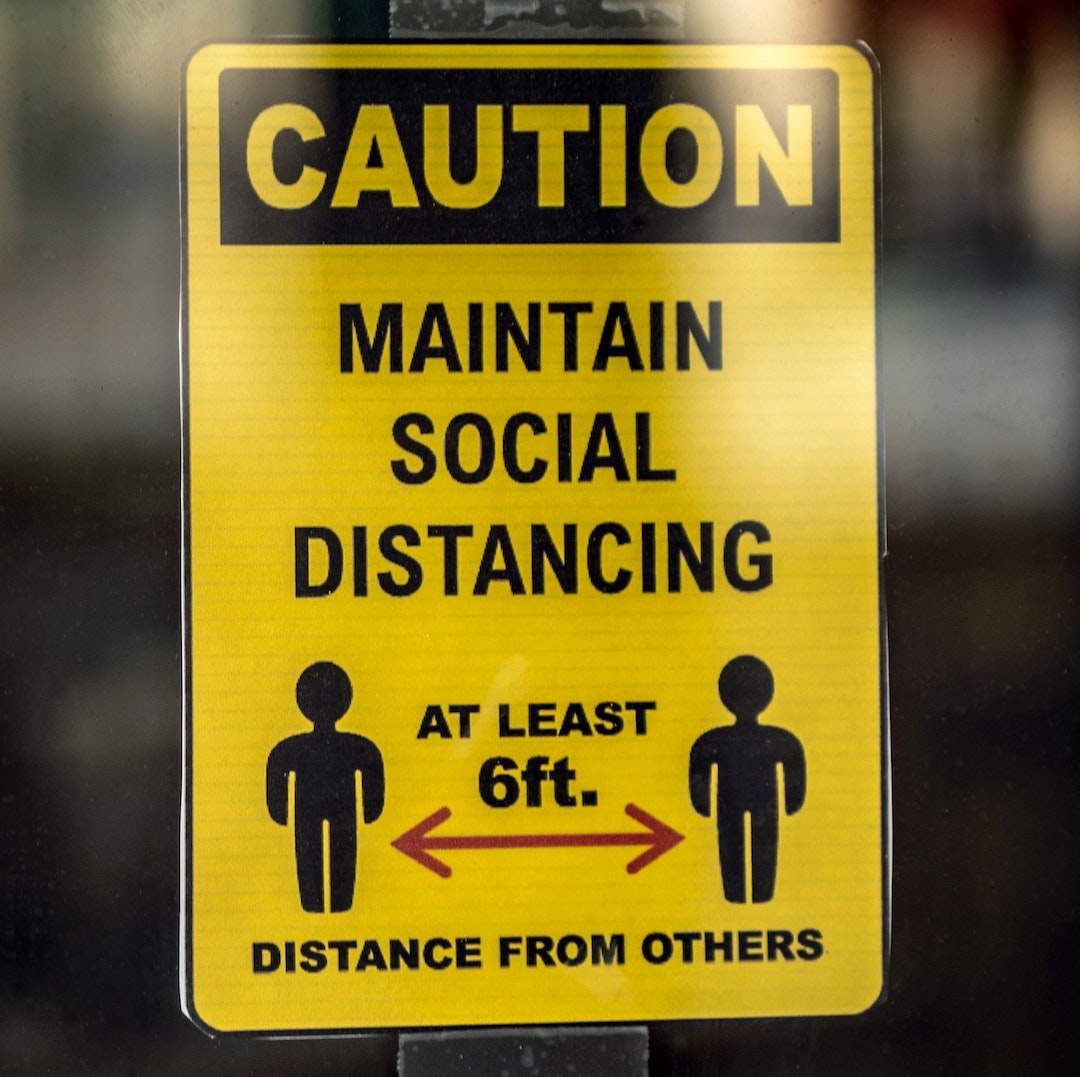
In this new norm of physical distancing, you need clear signs for each part of your business to ensure your staff and customers’ health and safety. Here are some tips on how you can effectively implement COVID-19 guidelines in your workplace.
Know your audience.
You should understand your customers so that everyone gets a chance to follow any signs you place. Ask yourself if you need bilingual or multilingual signs, and if everyone can effectively identify and understand all the signs you place around the store. Any signage like floor decals should be set up and tested. If people can follow your intent with no verbal cues, then the signage has done its work. If the signs aren’t directing people correctly, you can change and reconfigure them.
Use symbols.
Symbols can convey a lot of useful information quickly and effectively. For example, arrows indicate directions, and a red octagon means stop. These types of symbols are universal, and most people can understand them. Types of symbols you can employ at your workplace to mark the 2-meter social distancing space required are footprints signs. You place them on the floors to mark the places where people should stand.
Use color-coding.
You can also use color-coding to back up the symbols and words. Simple colors you can include are common colors like red, which means stop, yellow, which stands for caution, or green, which means go. You can use these with contrasting colors – for example, red and white, and black and yellow. The color of your floors or walls will determine the best color-coding colors to use. Make sure it’s visually appealing and can be read clearly by everyone.
Ensure that the size of the signage you use is the correct size.
The letters used in the signage should be large enough to be seen from a distance. A good example is using three-inch high or larger letters or numbers visible from 25 to 100 feet. Use a large font size with bold capital lettering. This is better and can be read from a distance.
Where to place your signs
After deciding what signage to use at your workplace, keep in mind the following considerations, and assess those crucial areas in your business. Ensure that you’re mindful of language barriers or any other factors that may affect your business. Here are some tips you can use to mark your business and ensure compliance and safety measures outlined by the state.
Entry or exit points
- Please ensure that you designate separate entry and exit points for your building. Do this by providing clear signage for directing your traffic flow, as well as maintaining physical distancing.
- Ensure that you communicate to customers the expectations you require from them like occupancy limits, social distancing, and wearing of face masks according to local regulations and government guidelines.
- Create a separate section for temperature testing for both your staff members and customers as they come into the building. It should be marked with signs to avoid confusion and overcrowding.
- Post clear visual signs that show the measures your business is taking to ensure customers’ safety, boosting customers’ confidence.
Aisles and passageways
- Remind your customers of social distancing protocols by clearly marking aisles to avoid congestion, and to ensure they wear their face masks at all times and the right way.
- Ensure that you mark the outer edges of shopping aisles to create a controlled flow of traffic.
- You can add directional arrows where necessary to direct a smooth flow of foot traffic.
Checkout
- Have in place floor markings to indicate clearly where people should stand to maintain physical distancing.
- Ensure that there are sanitizing procedures in place during money handling or credit card handling.
Pick-up and drop-off points
- Place markings or signs outside your building to establish safe and secure pick-up and drop-off zones.
- Also, ensure the waiting areas are marked at least six feet apart to maintain physical distancing to show where customers can wait to go in or for their to-go orders.
- Online customers who have come to pick up their goods ensure that there are clear signs that show where they can do that effortlessly.
Waiting areas and lobbies
- Ensure that you add signs, arrows lines, or dots that indicate your waiting areas.
- Indicate seat markings to show customers the required seat spacing to make sure there’s social distancing.
- COVID-19 signage that educates people about the virus and measures they can avoid the spread should always be placed where people congregate. You can put signs that convey the right information to people, and your customers can read and be informed as they wait to be attended to.
Restrooms
- Place signs in public restrooms to ensure there’s safe distancing when using the washrooms and sinks.
- Include sanitization and handwashing signage as a reminder of mitigating the spread of the virus.
Communal areas
- Place visual cue signs in staff break rooms, reception areas, cafeteria, and other communal spaces to ensure physical distancing is observed between employees.
- If there’s a possibility of queuing like in the cafeteria, restrooms, or elevators, ensure the occupancy limit and social distancing markings are clearly shown.
- Ensure that the tables and chairs have signs that show where they should sit, and how much space they should leave for physical distancing.
Conclusion
Now that you’ve marked all the places you need to place signs and markings for your business to ensure proper physical distancing practices, and all the other guidelines set in place by the government, get your signage created by professionals. Check out https://www.craftsmenind.com/.