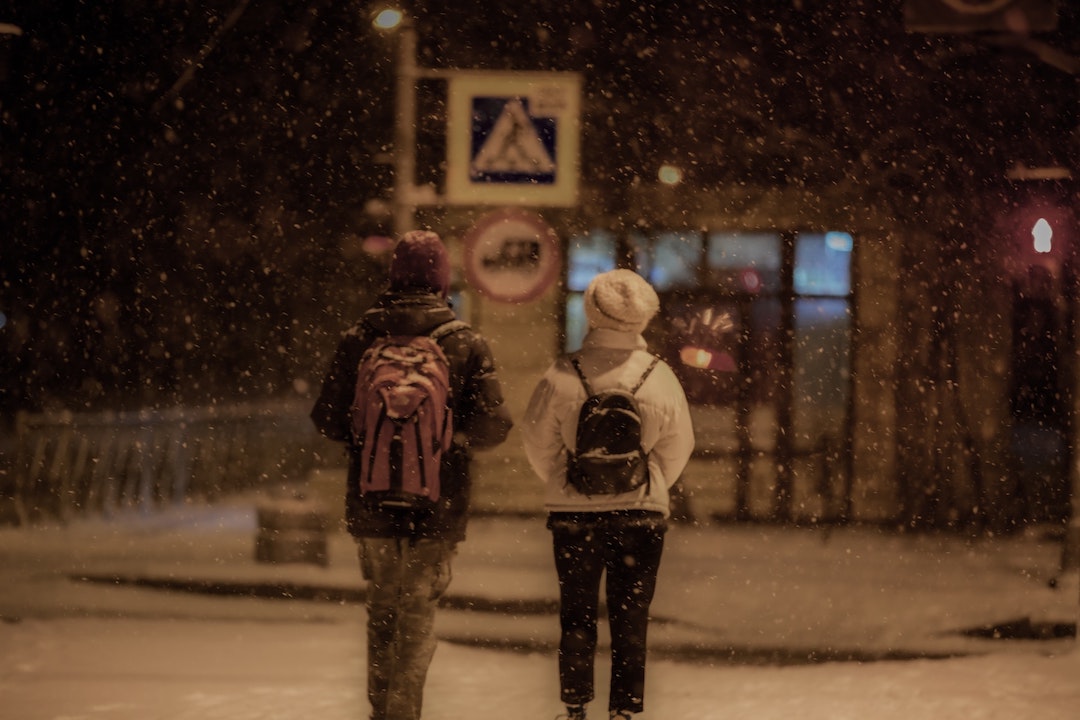
As temperatures fall, people are spending more time indoors. That heightens the risk of the coronavirus spreading, but there are some simple steps you can take to help protect yourself and everyone around you.
It’s easy to get tired of wearing masks and practicing social distancing. There has even been some talk from the White House about herd immunity – the idea that if enough people get infected, the virus won’t be able to spread.
But the U.S. isn’t anywhere close to herd immunity for SARS-CoV-2, estimated to be reached when about 60% to 70% of the population has been infected – likely more than 200 million people. Without a vaccine, hospitals would be overwhelmed by the illnesses and hundreds of thousands more people would die. We also don’t know how long immunity lasts.
Jennah Moon/Getty Image
Since we don’t have an approved vaccine in widespread use yet, protective measures are still essential. As a nursing school dean, I recommend taking these seven simple steps to protect yourself and your loved ones and reduce the spread of COVID-19.
Avoid crowds and keep some distance
Avoid the 3 C’s – closed, crowded and close contact. This gets harder as the seasons change and more activities move indoors.
When people sing, shout or even just talk, they send tiny respiratory droplets into the air. If infected droplets get into your eyes, nose or mouth, you can get infected. Staying 6 feet away is a good rule of thumb, but it doesn’t protect you from everything. The tiniest of these droplets, known as aerosols, can linger in the air for hours.
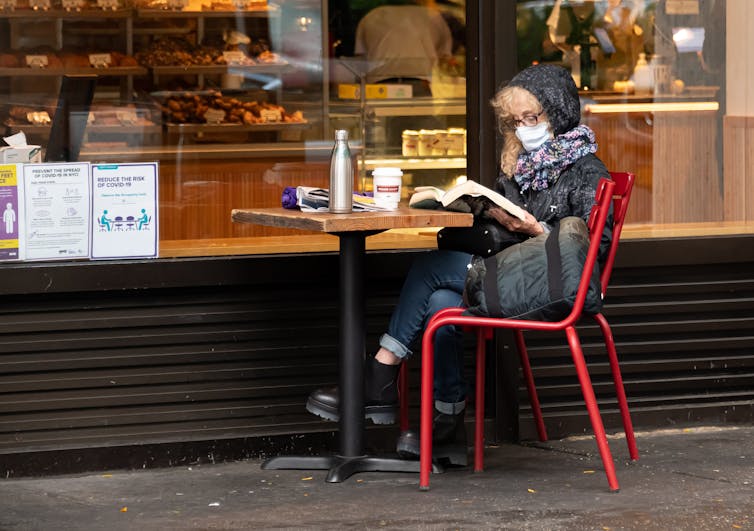
The risks of contracting COVID-19 increase in inadequately ventilated spaces where people spend long periods together in close proximity. Outbreaks have been linked to restaurants, choir practices, fitness classes, nightclubs and other spots where people congregate. You can still find ways to exercise outside, though. Try going for a walk with a friend. Virtual events can also bring people together safely.
Wear a face mask
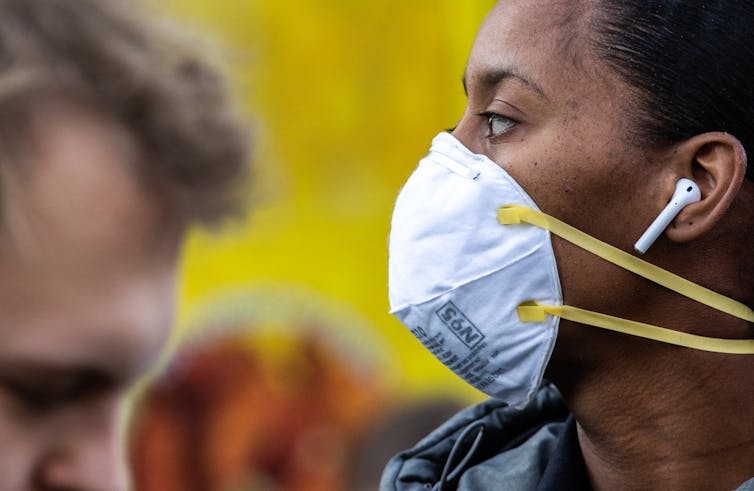
Face masks can reduce the virus’s spread by stopping droplets people breathe out and filtering some of what they breathe in. They are especially important in crowded and poorly ventilated areas.
To wear the mask correctly, start by cleaning your hands before you put it on, and make sure the mask fits securely over your nose, mouth and chin. When the mask doesn’t cover your nose, you’re giving the virus an easy route for infection.
If you wear a fabric mask, make sure it has two or more layers.
Avoid touching your eyes, nose and mouth
Your hands touch many surfaces and can pick up viruses. Once contaminated, hands can then transfer the virus to your eyes, nose or mouth. From there, the virus can infect you.
Noam Galai/Getty Images
Wash your hands
Simply washing your hands can reduce the spread of viruses. Regularly and thoroughly clean your hands for at least 20 seconds with an alcohol-based hand rub or wash them with soap and water. This eliminates germs, including viruses.
Fall and winter also bring more colds. When you feel the need to cough or sneeze, cover your mouth and nose with your bent elbow or tissue. Then dispose of the used tissue immediately into a closed bin and wash your hands. By following good “respiratory hygiene,” you protect the people around you from viruses, including those that cause the common cold, flu and COVID-19.
Keep surfaces clean
Clean and disinfect surfaces in your home frequently, especially those people touch regularly, such as door handles, faucets and phone screens.
Slightly updated to version 1.3 pic.twitter.com/r5o8zv6fZr
— ɪᴀɴ ᴍ. ᴍᴀᴄᴋᴀʏ, ᴘʜᴅ 🦠🤧🧬🥼🦟🧻 (@MackayIM) October 12, 2020
Recognize the symptoms
Until the U.S. has an approved vaccine with reliable immunity and it’s being used, this pandemic remains a serious health threat. Being able to recognize the symptoms of COVID-19 is important.
Common symptoms of COVID-19 include, fever, dry cough and fatigue. Other symptoms that may affect some patients include loss of taste or smell, aches and pains, headache, sore throat, nasal congestion, red eyes, diarrhea or skin rash.
Some of these symptoms overlap with the common cold, but it’s best to err on the side of safety. If you feel sick or have a fever and difficulty breathing, call your doctor or hospital and seek help. If you experience less severe symptoms, self-isolate until you recover, even if the symptoms seem mild. Call your health care provider or see the Centers for Disease Control and Prevention Coronavirus Self-Checker for additional support. If you need to leave your house, wear a face mask to avoid infecting others.
Keep up to date on COVID-19 information and risks from local and national health authorities.
Take care of your mental health
During the stress and upheaval of the pandemic, don’t forget to take care of your mental health and well-being.
Connecting with friends, loved ones and your community via social media, phone, video or text can help reduce feelings of social isolation. Eating well, exercising daily and getting enough sleep are important for health and coping.
Be deliberate in making time to care for yourself by engaging in activities that bring you joy. Don’t be afraid to ask for help or to seek resources including counseling or therapy if you are feeling stressed. Practice positive self-talk by saying phrases out loud such as “This is temporary” and “We can do this.”
The reality is that you do not want this virus. More than 220,000 people with COVID-19 have died in the U.S. We don’t yet know what the long-term effects will be or whether immunity after an infection will last. Even young people who get it and recover can experience continuing cognitive effects, fatigue and potentially heart and lung damage. As you look ahead, remember these important safety tips and find socially distanced activities that will help you remain connected and safe.
Melissa Burdi, Dean, Purdue University Global School of Nursing, Purdue University
This article is republished from The Conversation under a Creative Commons license. Read the original article.