dotlah! dotlah!
  • Cities
  • Technology
  • Business
  • Politics
  • Society
  • Science
  • About
Social Links
  • zedreviews.com
  • citi.io
  • aster.cloud
  • liwaiwai.com
  • guzz.co.uk
  • atinatin.com
0 Likes
0 Followers
0 Subscribers
dotlah!
  • Cities
  • Technology
  • Business
  • Politics
  • Society
  • Science
  • About
  • People
  • World Events

5 Lessons We Must Take From The Coronavirus Crisis

  • August 25, 2020
Total
0
Shares
0
0
0

The tele-health team at Jefferson Health has been calling themselves the “Night’s Watch”, a reference to the battle-hardened border patrol in the TV series Game of Thrones. And it’s true, where it’s available tele-health has allowed thousands to be screened and supported at home, giving our hospitals time to prepare for the onslaught of intensive care treatment for those who need it. Indeed, most people with COVID-19 will be cared for at home, and we are learning how to help them there.

But the lesson of tele-health – of digital medicine – applies to many more industries than healthcare delivery. It is part of how every industry will be transformed as the pandemic hastens the digitalization of work in every sector.

In medical terms, the global economy has been dislocated. Much of how we lead it into the future will be digital, and because of our work on the frontlines in healthcare, I believe we have lessons for all industries.

My dialogue with members of the World Economic Forum these past weeks encourage me to believe the Forum will be part of that leadership. We must commit together to build equitable and sustainable models for an optimistic future as we emerge from the crisis of COVID-19. Allow me to pick a few of those lessons:

1. Speed and trust.

Too clearly, we learned how much we need an early warning system for future crises, whether from climate change or pandemics. Future global crises may not just come from disease – which is why a warning system like the World Health Organization’s proposed Epi-Brain offers a comprehensive model. Having a system we can trust is critical: only through trust will citizens act as they did to self-isolate. In truth, we acted together by staying apart.

2. Broadband access to the internet.

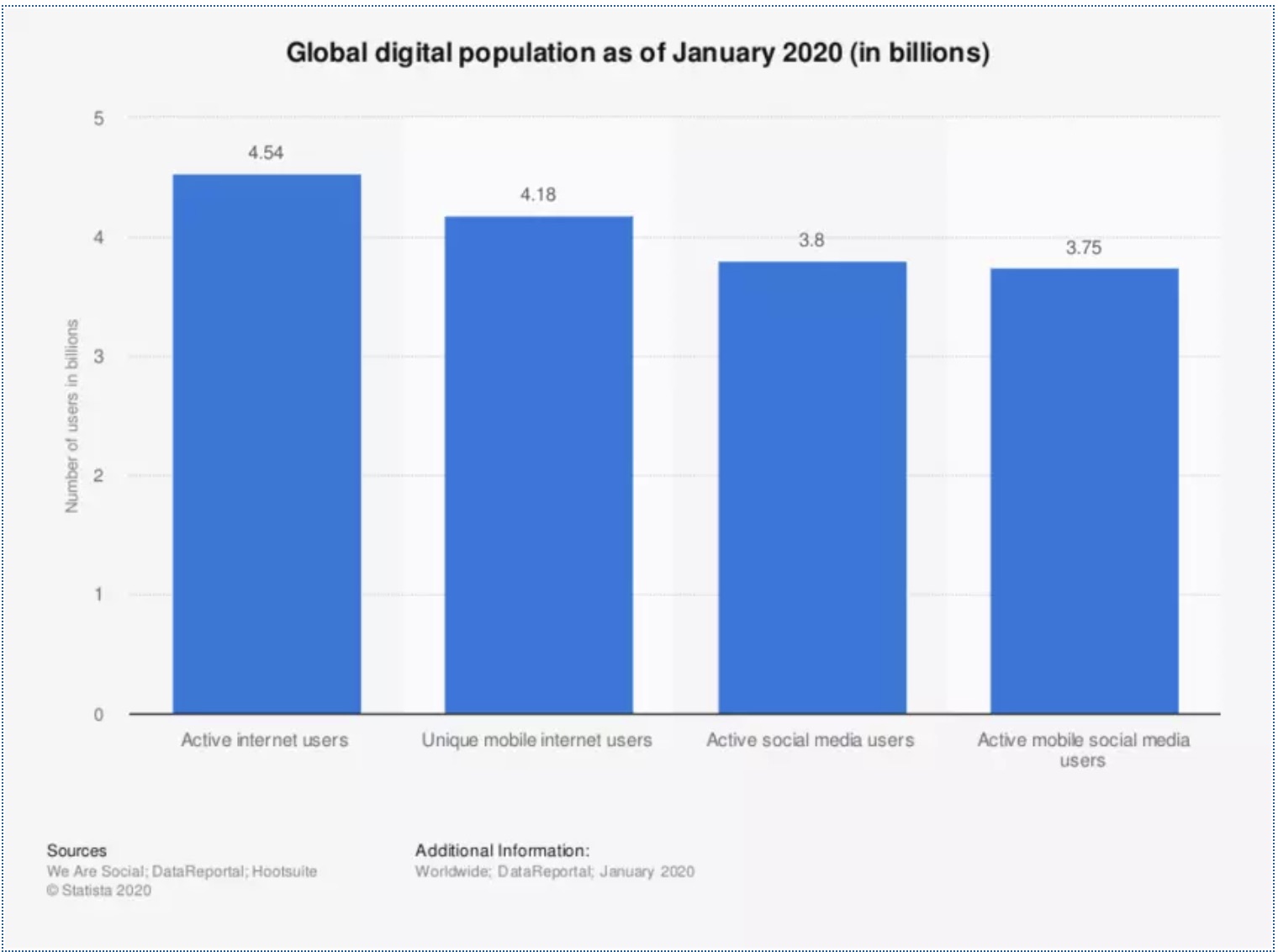
As tele-health illustrated, digital access is now like oxygen. For years, our social workers have been advising cancer patients on how to access their own health data and treatment plans online. Now all our patients who have financial difficulties are in need of that advice. Students throughout the world could not access online learning tools without broadband. The Forum’s work on emergency spectrum access has been critical. Digital access must be seen as a utility, like electricity and plumbing.
3. Medical surge capacity.

COVID-19 showed us, as did the refugee crisis, that the globe lacks the ability to assemble a powerful intensive care capacity. This is now a clear challenge for world leaders.

4. Health assurance.

COVID-19 proved that the “Internet of You” can support a new era of health assurance. I call it “healthcare with no address”, where sophisticated medicine can be delivered to people at home. People want to live happy and productive lives without healthcare getting in the way. We now know we can do that. In many countries, notably India, this is the future. As futurist Vinod Khosla observed, it would take an infinite amount of money to provide traditional hospital support to every person on the globe. Instead, it must be done with digital health.

5. Ethics and equity.

The promise of digital medicine is the promise of the Fourth Industrial Revolution, where the tools of artificial intelligence transform all professions. At the same time, healthcare is the ultimate argument for the difficult lesson: that the digital future cannot simply make the wealthy healthier. Digital medicine gives us an unparalleled opportunity to address the social determinants of health and provide access to everyone in their own neighbourhoods.

The World Economic Forum has stood for 50 years behind the idea that industry has stakeholders as well as shareholders. I am deeply encouraged that this core ideal stands firm as we develop digital medicine and create a world of health assurance for all. This pandemic will be controlled eventually by the technology of medications and vaccines, but the lessons we have learned should help us build a powerful future across industries. Never in its history has the World Economic Forum had a greater opportunity to lead a discussion on how new technologies, creative partnerships and the digital economy can, in the spirit of stakeholder capitalism, create a better world for all.


Stephen Klasko, President and Chief Executive Officer, Jefferson Health

Republished from the World Economic Forum

Total
0
Shares
Share
Tweet
Share
Share
Related Topics
  • Coronavirus
  • COVID-19
  • Digital Economy
  • Lessons
  • Pandemic
dotlah.com

Previous Article
  • Lah!

New Seamless Filing Initiative Enables SMEs To Go Digital

  • August 25, 2020
View Post
Next Article
  • Cities

Short Term And Midterm Rent In Brooklyn

  • August 26, 2020
View Post
You May Also Like
View Post
  • People
  • Working Life

Skills development is critical to bridging the global digital talent gap

  • dotlah.com
  • December 22, 2025
Points, Lines and a Question
View Post
  • Engineering
  • Op-Ed
  • People

What Is The Point In Making Points?

  • Dean Marc
  • November 27, 2025
View Post
  • Cities
  • People

We must empower local leaders to meet global goals – here’s why

  • dotlah.com
  • November 4, 2025
View Post
  • People

Singapore’s national identity excludes those who don’t look like a ‘regular family’

  • dotlah.com
  • October 9, 2025
View Post
  • People
  • Politics

Singapore PM Wong arrives in Malacañang

  • dotlah.com
  • June 4, 2025
college-of-cardinals-2025
View Post
  • Featured
  • Features
  • World Events

The Definitive Who’s Who of the 2025 Papal Conclave

  • Dean Marc
  • May 8, 2025
conclave-poster-black-smoke
View Post
  • Featured
  • Features
  • World Events

The World Is Revalidating Itself

  • Dean Marc
  • May 7, 2025
View Post
  • Featured
  • Features
  • People

Conclave: How A New Pope Is Chosen

  • Dean Marc
  • April 25, 2025


Trending
  • Autonomous systems need to be reliable, so NASA puts the code it develops through rigorous testing, like this Artemis I launch countdown training simulation, to avoid potential failures. 1
    • Science
    • Software
    • Technology
    NASA Software Catalog Offers Free Programs for Earth Science, More
    • August 10, 2023
  • 2
    • Cities
    • Lah!
    SGX And CAI Launch Index To Capture Long Term Aviation And Travel-Related Growth As Borders Reopen
    • November 27, 2021
  • 3
    • Science
    Singapore Scientists Discover New Ways To Treat Liver Cancer
    • September 26, 2019
  • 4
    • Lah!
    Singapore’s First Virtual Power Plant To Optimise Energy Distribution
    • October 8, 2019
  • 5
    • Cities
    • People
    As The Lockdowns Come To An End, Which Activities Are The Riskiest?
    • July 14, 2020
  • Black Friday Nintendo Switch games sale and deals 6
    • Gears
    Biggest Black Friday Nintendo Switch Deals. Physical vs. Digital Savings.
    • November 24, 2024
  • physical_activity_mental_health_1600 7
    • People
    The Pandemic Has People Stuck In A Bad Mental/Physical Loop
    • September 24, 2021
  • citi-io-uk-border-004436 8
    • dotZero
    • Op-Ed
    • Outsights
    • People
    OpEd: The Calculated Dance of Immigration in the UK
    • November 25, 2023
  • 9
    • Science
    You Thought Quantum Mechanics Was Weird: Check Out Entangled Time
    • July 25, 2019
  • 10
    • Cities
    • Lah!
    Small City, Big Win : Singapore Named Smart City Of 2018
    • January 23, 2019
  • When asked about his leadership style, DPM Lawrence Wong said he will be open and consultative, but he will not shirk from doing what is necessary for Singapore's future. ST PHOTO: LIM YAOHUI 11
    • Features
    • Lah!
    • People
    • Politics
    ‘We are prepared to relook everything’: Lawrence Wong on a changing society and his hopes for S’pore
    • May 15, 2024
  • Fruits and vegetables for cooking. For food processors. 12
    • Gears
    Food Processor: The Swiss Army Knife of the Kitchen – Best All-Around Picks in 2025
    • September 8, 2025
Trending
  • 1
    How bus stops and bike lanes can make or break your festive city trip
    • December 29, 2025
  • 2
    Skills development is critical to bridging the global digital talent gap
    • December 22, 2025
  • Tech Not To Miss 3
    Zed Approves | 12 Cool Tech You’ll Regret Missing
    • December 21, 2025
  • zedreviews-12-gaming-holiday-deals-202512 4
    Zed Approves | 12 Gaming Upgrades You Actually Need This Holiday Season
    • December 17, 2025
  • zedreviews-amazon-uk-50-christmas-deals 5
    Zed Approves | The Amazon 50+ Holiday Gift Deals Worth Buying – UK Edition
    • December 14, 2025
  • Watches 6
    Zed Approves | 12 Watch Gifts for the Holiday Season
    • December 14, 2025
  • 6 Bags You Might Be Missing for Your Next Trip 7
    Zed Approves | 6 Bags You Might Be Missing for Your Next Trip
    • December 2, 2025
  • Zed Approves | 48 Highly Rated Black Friday Deals in 2025 8
    Zed Approves | 48 Highly Rated Black Friday Deals in 2025
    • November 28, 2025
  • Points, Lines and a Question 9
    What Is The Point In Making Points?
    • November 27, 2025
  • 10
    This year’s climate talks saw real progress – just not on fossil fuels
    • November 24, 2025
Social Links
dotlah! dotlah!
  • Cities
  • Technology
  • Business
  • Politics
  • Society
  • Science
  • About
Connecting Dots Across Asia's Tech and Urban Landscape

Input your search keywords and press Enter.