We’re barely into the second quarter of 2025, and it already feels like we’ve been collectively thrust into the world’s most consequential election season. Not content with the usual anxiety-inducing chaos of a single nation’s democratic process, the universe has decided to give us a simultaneous masterclass in global democracy—or whatever passes for it these days.
Canada has just ushered in Mark Carney, the former central banker whose technocratic expertise apparently convinced voters he could steer the country through economic rapids better than his predecessors. Meanwhile, Singapore is experiencing what qualifies as a political earthquake in its tightly controlled system, with the People’s Action Party facing unprecedented challenges to its 60-year dominance. The PAP, which has run Singapore since before Singapore was even Singapore, is discovering that even the most meticulously engineered political systems eventually develop cracks.
Then there’s the Philippines, that fascinating study in democratic contradictions—a vibrant economy whose political class seems determined to sabotage progress through endless power struggles. The latest round of political infighting makes “Succession” look like a children’s television show. One wonders if the country’s politicians have considered that economic growth becomes rather difficult when you’re busy sharpening knives for your colleagues’ backs.
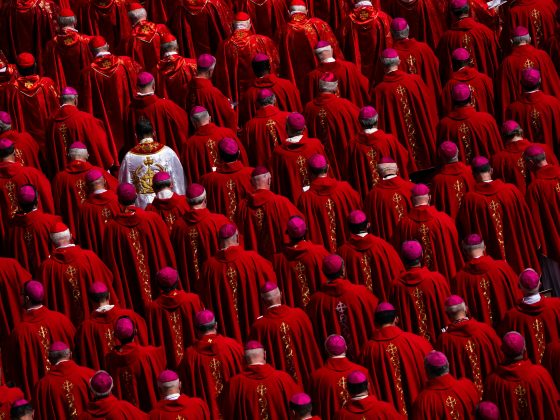
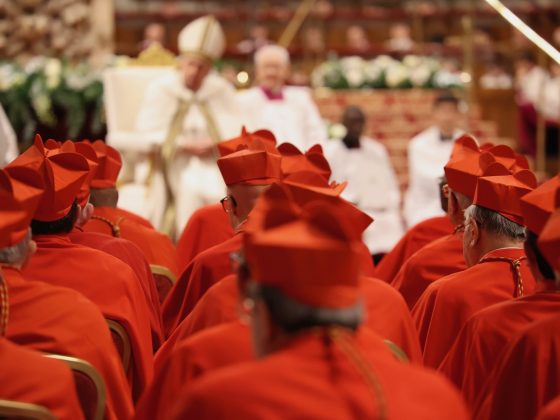
But the most fascinating electoral spectacle isn’t happening at a ballot box at all. The Catholic Church is preparing for its conclave to select Pope Francis’s successor after twelve years of his relatively progressive papacy.
What makes this convergence of global elections particularly striking is the backdrop against which they’re occurring. We’ve got tariff wars that make family holiday arguments seem civilized, and actual wars—in Ukraine, Gaza, and other places—that continue to remind us that humans excel at turning disagreements into tragedy. Climate change isn’t just knocking at our door anymore; it’s kicked it down and is rearranging the furniture. It’s almost as if the world is trying to set fire to itself while simultaneously attempting to decide who gets to hold the extinguisher.
What we’re witnessing isn’t just a series of elections; it’s humanity at a crossroads, collectively voting on its future while that future seems increasingly unstable. It’s against this dystopian backdrop that citizens around the world are being asked to make decisions about leadership. In a very real sense, the world is revalidating itself with its new leaders.
The irony, of course, is that as these existential threats mount, many democratic systems are simultaneously facing internal erosion. Populist movements continue to challenge institutional guardrails, disinformation flourishes in digital ecosystems designed to prioritize engagement over accuracy, and voter apathy grows in proportion to the sense that the game is rigged.
Either way, these elections across the globe share a common thread: they’re not just about who governs for the next few years, but potentially deciding the fate of our species. Climate change doesn’t care whether Canada’s government leans left or right. The melting Arctic doesn’t distinguish between PAP voters and opposition supporters in Singapore. The consequences of war don’t stop at the Philippines’ territorial waters. Even the papal conclave, archaic as it seems, will select someone whose moral authority extends to over a billion Catholics worldwide, potentially influencing everything from reproductive rights to climate action. The Church might move at a glacial pace, but then again, so do actual glaciers—until suddenly they don’t.
Maybe that’s the most human thing of all: the persistent belief that we can fix this mess, even as we continue making it worse.
What’s particularly disturbing is how normal this all feels now. We’ve become accustomed to headline whiplash—climate disaster next to election results next to war updates next to celebrity gossip. The world is always in a state of flux, certainly, but the current level of chaos has become our baseline. Like the proverbial frog in slowly heating water, we’ve adjusted to conditions that should be setting off alarm bells.
And yet, there’s something oddly reassuring about watching millions of people around the world still participating in democratic processes, however flawed. Despite everything—the corruption, the disinformation, the sense that individual votes matter little against the tide of corporate influence and geopolitical forces—people still line up to cast ballots. There’s a stubborn hope embedded in that act, a refusal to surrender agency entirely.
Perhaps that’s what these elections really represent: not so much a solution to our problems as a collective assertion that we still believe solutions are possible. That despite the overwhelming evidence that our systems are buckling under the weight of 21st-century challenges, we haven’t yet abandoned the idea that human agency matters.
Is that naive? Possibly. Is it our only option? Almost certainly. Because the alternative—surrendering to fatalism in the face of mounting crises—guarantees the worst outcomes. At least with democracy, however imperfect, we maintain the possibility of change, the chance that somewhere in the global constellation of elections happening now, voters might select leaders equal to the moment.
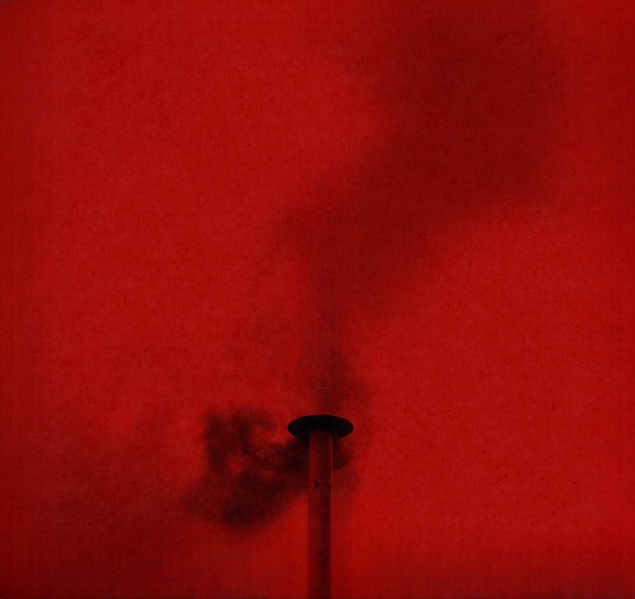
So as ballots are counted from Ottawa to Manila, as white smoke eventually rises from the Vatican, perhaps what we’re really watching isn’t just democracy in action but humanity’s stubborn insistence on having a say in its own future—even as that future grows increasingly uncertain. In a world that seems to be coming apart at the seams, that small act of collective determination might be the thread that holds us together.